
C15 · Multifamily / Canada
Canada Multifamily Interior Door Package Planning Case: Imperial Sizes, Jamb Depth and Staged Delivery
A representative, anonymised planning case for coordinating imperial-size interior door sets, jamb depth, rough openings and staged delivery in a Canadian multifamily project.
Direct Answer
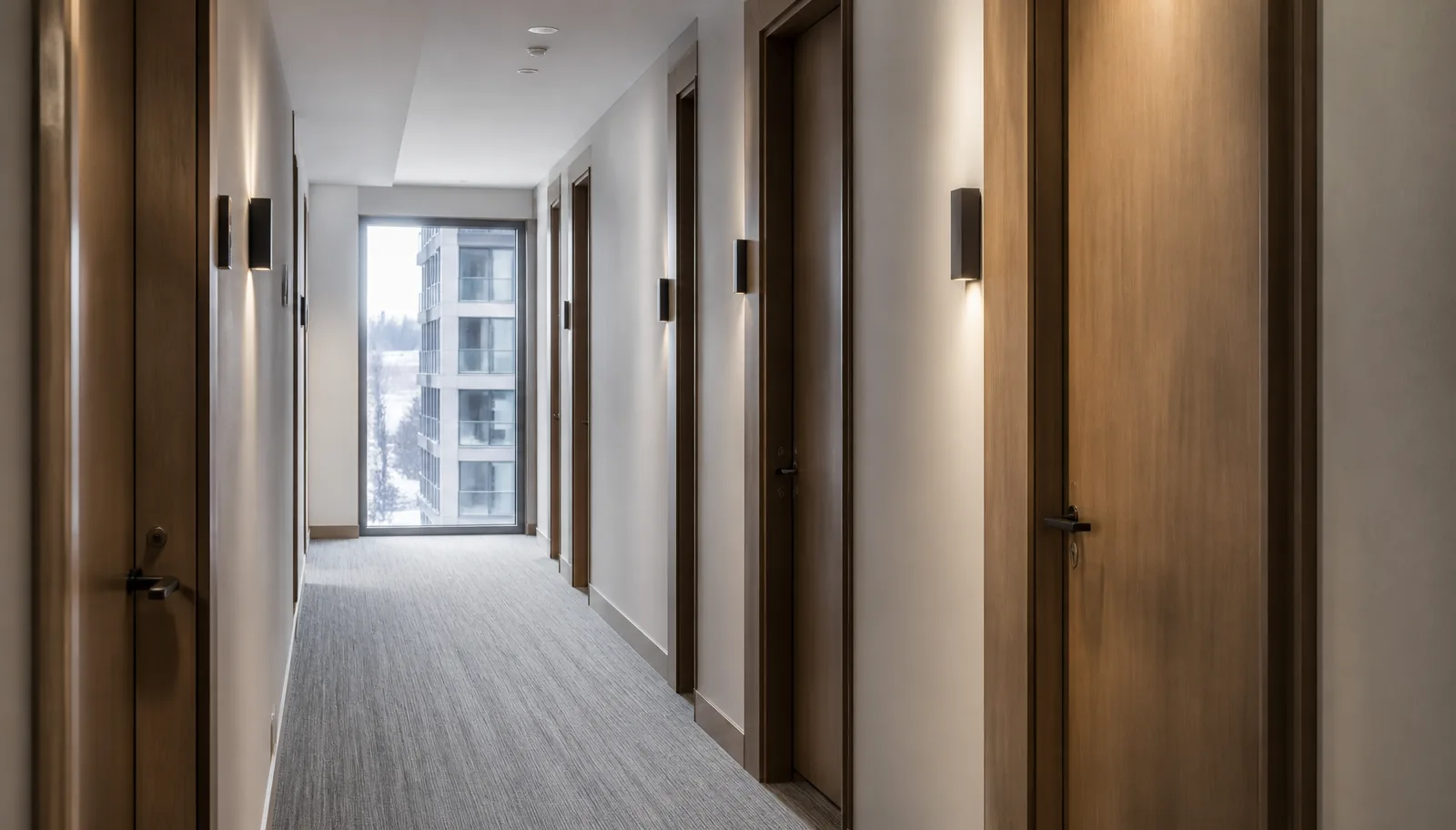
For a Canadian multifamily interior-door package, the most reliable planning method is to confirm the imperial-size basis, finished wall thickness, jamb depth, rough-opening condition and staged delivery sequence before the repeated door sets are released.
Representative planning brief
This is an anonymised planning case, not a claimed customer installation. It illustrates the coordination questions that recur when a Canadian multifamily schedule contains repeated interior openings and the project needs a clear imperial-size, frame-depth and delivery basis.
The practical risk is not simply choosing a door style. It is making sure every repeated opening uses the same agreed interpretation of the size, wall and frame condition.
Imperial-size and schedule coordination
The door schedule should state the project’s measurement basis clearly and separate nominal leaf size from the information needed to manufacture or install the full set. Where several unit types repeat, one controlled schedule helps avoid a mixture of assumptions at quotation, production and receiving stages.
- Identify each opening type and its repeat quantity.
- Confirm leaf size, handing, construction, finish and hardware preparation.
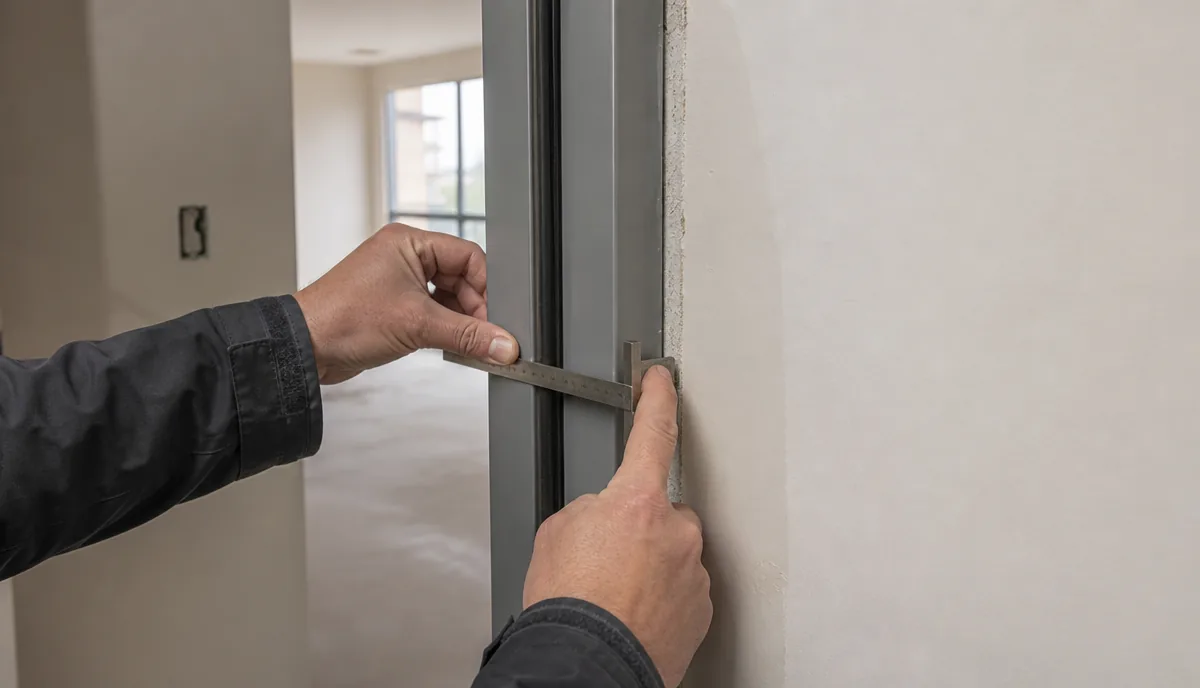
- Record finished wall thickness and jamb depth where it changes.
- Mark which sets are prehung and which components are supplied separately.
Jamb depth and wall-thickness review
Before any production release, confirm the relationship between the finished wall, jamb depth, casing return and the required clear opening. A representative opening is more useful than a generic nominal door size because finishing layers can change the final condition.
Prehung installation coordination
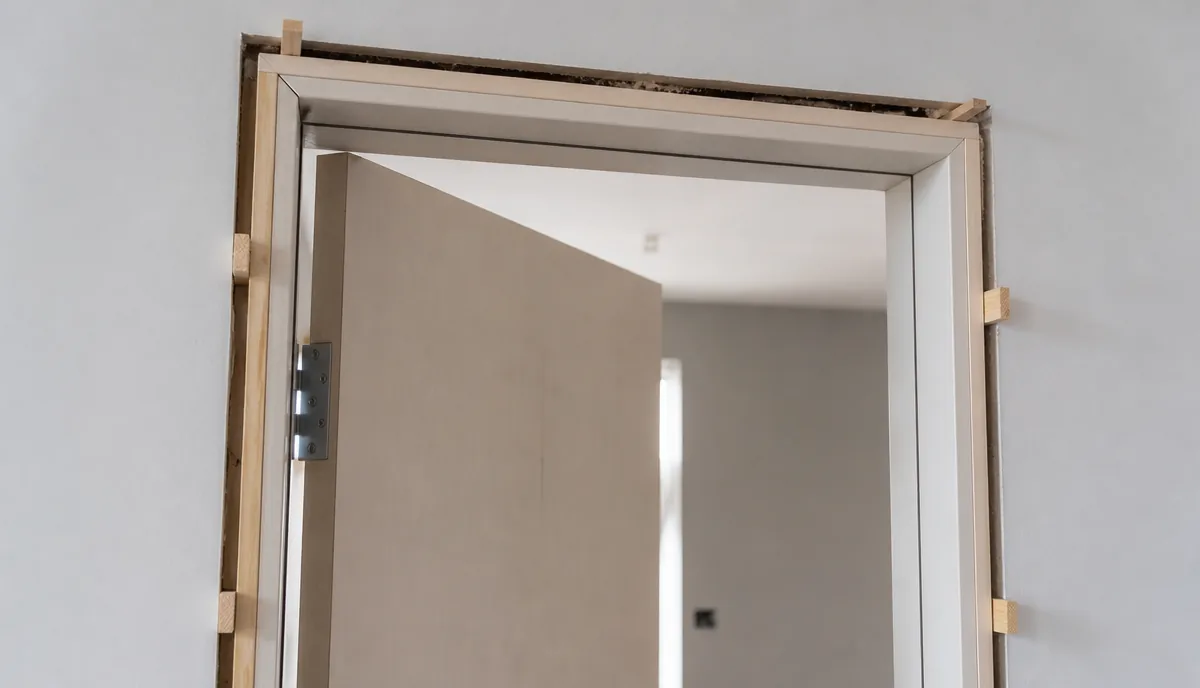
Where prehung sets are requested, the project team should agree the rough-opening basis, handing, strike and hinge preparation, shimming allowance and the point at which final wall finishes meet the frame.
Staged delivery for repeated openings
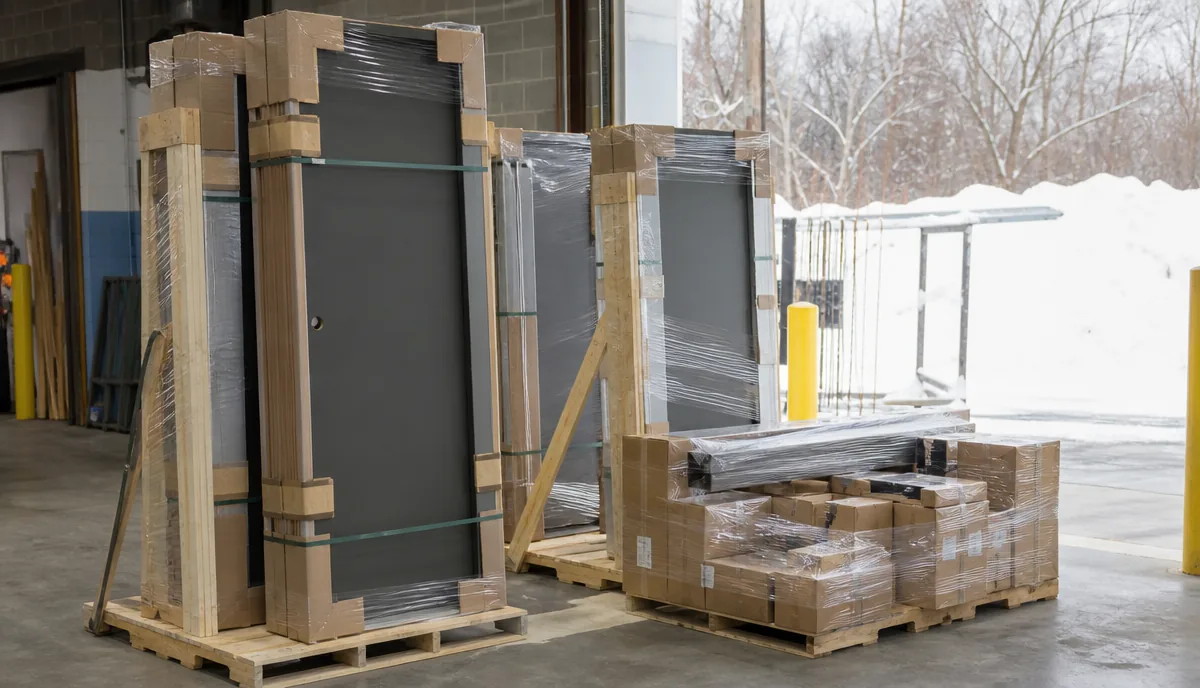
For a multifamily programme, packing and delivery should follow the site sequence. Grouping complete sets by building area, floor or installation wave helps reduce re-sorting while keeping the opening schedule traceable.
Information to provide for a quotation review
- Door schedule with nominal and opening-by-opening requirements.
- Imperial size basis, finished wall thickness and jamb depth.
- Door construction, finish, handing and hardware preparation.
- Project location, delivery waves and destination requirements.
Related VISFURN buyer guides
Buyer questions
Confirm the imperial-size basis, opening type, leaf size, handing, finished wall thickness, jamb depth, construction, finish, hardware preparation and staged delivery sequence.
Jamb depth must coordinate with the finished wall build-up so the frame, casing return and clear opening are based on the real installed condition.
A prehung set is appropriate when the project has a confirmed rough-opening basis, frame configuration, handing and hardware preparation that can be controlled consistently across repeated openings.
Stage complete door sets by the agreed building area, floor or installation wave so receiving and distribution follow the project sequence rather than requiring broad re-sorting on site.