
B6 · Specifications
Door Size Standards Around the World: US Imperial vs EU Metric vs Gulf — and How to Order Without Errors
30"x80" is not 762x2032 once you add the frame. A conversion table for US, EU, UK, Australian and Gulf door sizes, plus the five measurements to send your factory.

Direct Answer
A US 30 × 80 inch interior door leaf is approximately 762 × 2032 mm, but the rough opening, jamb width and threshold must be quoted separately. European projects commonly use 800 × 2000 mm or 900 × 2100 mm, while Gulf villa entrances often use larger 900 × 2100 mm or 1000 × 2200 mm formats. Converting the leaf alone is not enough to order correctly.
Standard door sizes by market
| Market | Common leaf W×H | Leaf thickness | Rough opening allowance | Notes |
|---|---|---|---|---|
| USA / Canada | 24/28/30/32/36 × 80 in | 1-3/8 in interior; 1-3/4 in exterior | +2 in W, +2.5 in H | Jamb 4-9/16 or 6-9/16 in |
| UK | 610/686/762/838 × 1981 mm | 35 mm | +10 mm each side | FD30 versions may be 44 mm |
| EU | 700/800/900 × 2000/2100 mm | 40 mm | Project dependent | Adjustable jambs are common |
| Australia / NZ | 720/770/820/870 × 2040 mm | 35 mm | +12 mm | Fire requirements are separate |
| Gulf | 900/1000 × 2100/2200 mm | 45 mm | Project specific | Villa entrances may be taller |
| India | Mixed imperial and metric sizes | 30–35 mm | Site-built frames common | Mixed-size orders are frequent |
| Latin America | 700/800/900 × 2000/2100 mm | 35–45 mm | Varies by country | Mexico may use imperial references |
Why does a 30x80 door not fit a 762x2032 opening?
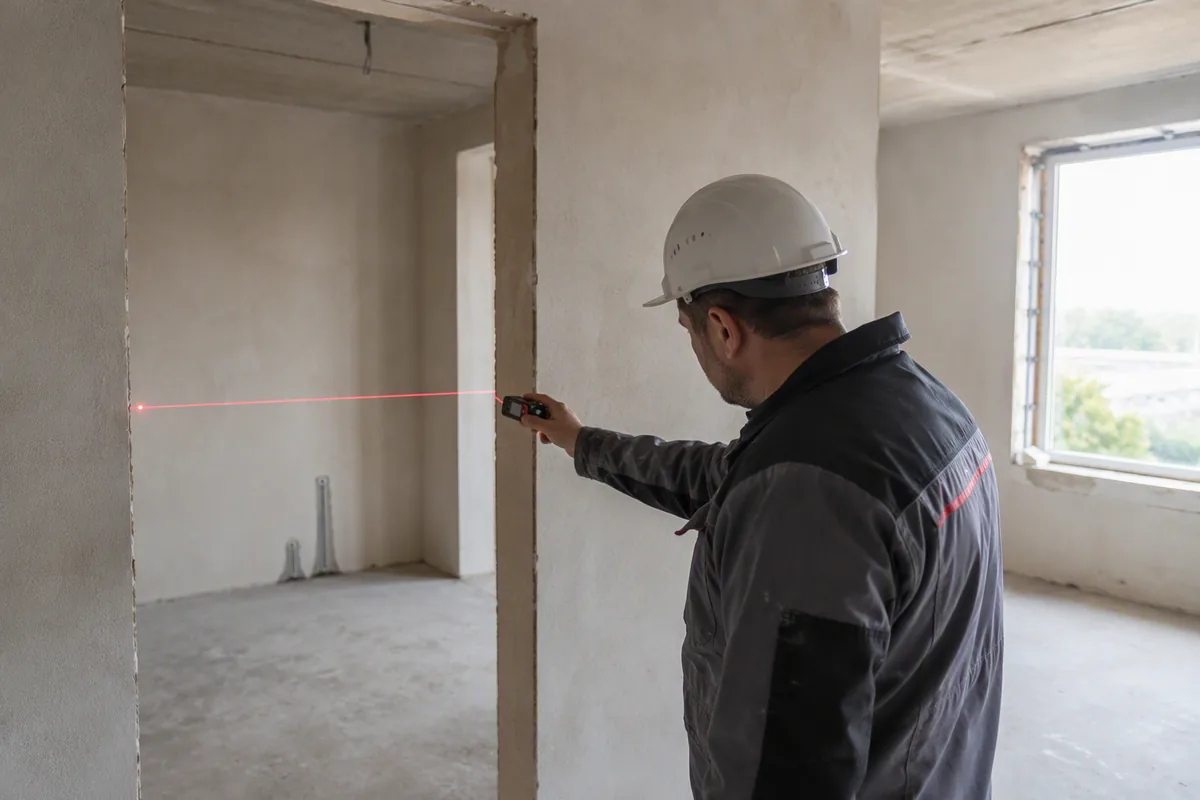
The leaf is the moving panel. The rough opening is the wall opening prepared for the frame. The finished opening may change after flooring, plaster, trim and threshold details are complete. Treat these as separate fields in the schedule.
What five measurements should I send my factory?
- Rough opening width
- Rough opening height
- Finished wall thickness
- Swing direction and handing
- Floor finish thickness and required bottom clearance
How do you order a mixed-size container?
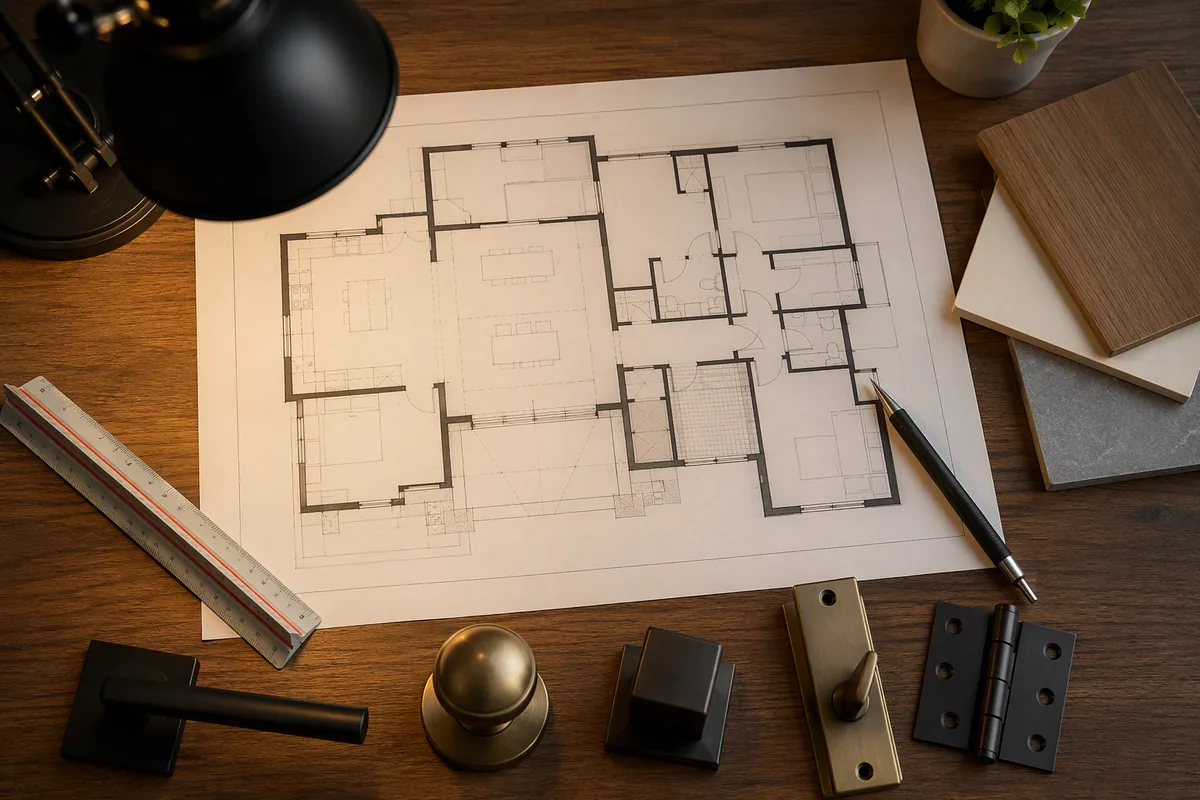
List every size as a separate lot with width, height, thickness, quantity, handing, frame depth, finish and hardware family. An illustrative schedule may combine 18, 24 and 28 inch × 80 inch × 1-3/8 inch leaves, but the final loading plan must use the approved production list.
Can a Chinese factory make non-standard sizes?
Most factories can review non-standard sizes, but tooling, material yield, packing and MOQ affect the price. Repeating a smaller number of sizes usually reduces setup and QC complexity. Confirm the minimum quantity for each custom size before approving production.
Which sizes are cheapest to import?
Repeated standard heights and a controlled size mix usually make packing, production and replacement stock easier. Compare the full delivered cost rather than assuming a custom size is cheaper because its leaf price is lower.
FAQ
Questions buyers usually ask
What is the most common interior door size in the US?
30 × 80 inches is a common US interior door reference, but the opening and jamb must be measured separately.
What is the standard European interior door size?
800 × 2000 mm is a common reference, with other sizes and local systems also used.
How many door sizes can I mix in one container?
There is no fixed technical limit, but four to six repeat sizes is often easier to pack, inspect and install than a highly fragmented list.
Do I measure the old door or the opening?
Measure the rough opening and finished wall conditions; an old door may have been trimmed or installed with a non-standard frame.
What door thickness do fire-rated doors need?
Fire-rated thickness depends on the tested door assembly and rating; confirm the approved product documentation rather than using a generic number.
Buyer questions
Confirm the applicable opening schedule, size reference, leaf and frame construction, finish, handing, hardware preparation and destination requirements before using Door Size Standards Around the World: US Imperial vs EU Metric vs Gulf — and How to Order Without Errors as a buying reference.
Include opening IDs, quantities, dimensions, wall thickness or frame depth, room exposure, finish reference, hardware schedule, performance notes, delivery destination and any sample-approval requirement.
Approve one complete representative opening—including the leaf, frame, finish, hardware preparation and packing reference—then release the final schedule only after every revision is recorded.