
B23 · Material Comparison
WPC Doors vs PVC Laminated Wooden Doors for Bathrooms, Utility Rooms and Humid Areas
A practical material comparison for buyers sourcing door packages for bathrooms, utility rooms, hotels, apartments and humid climates.
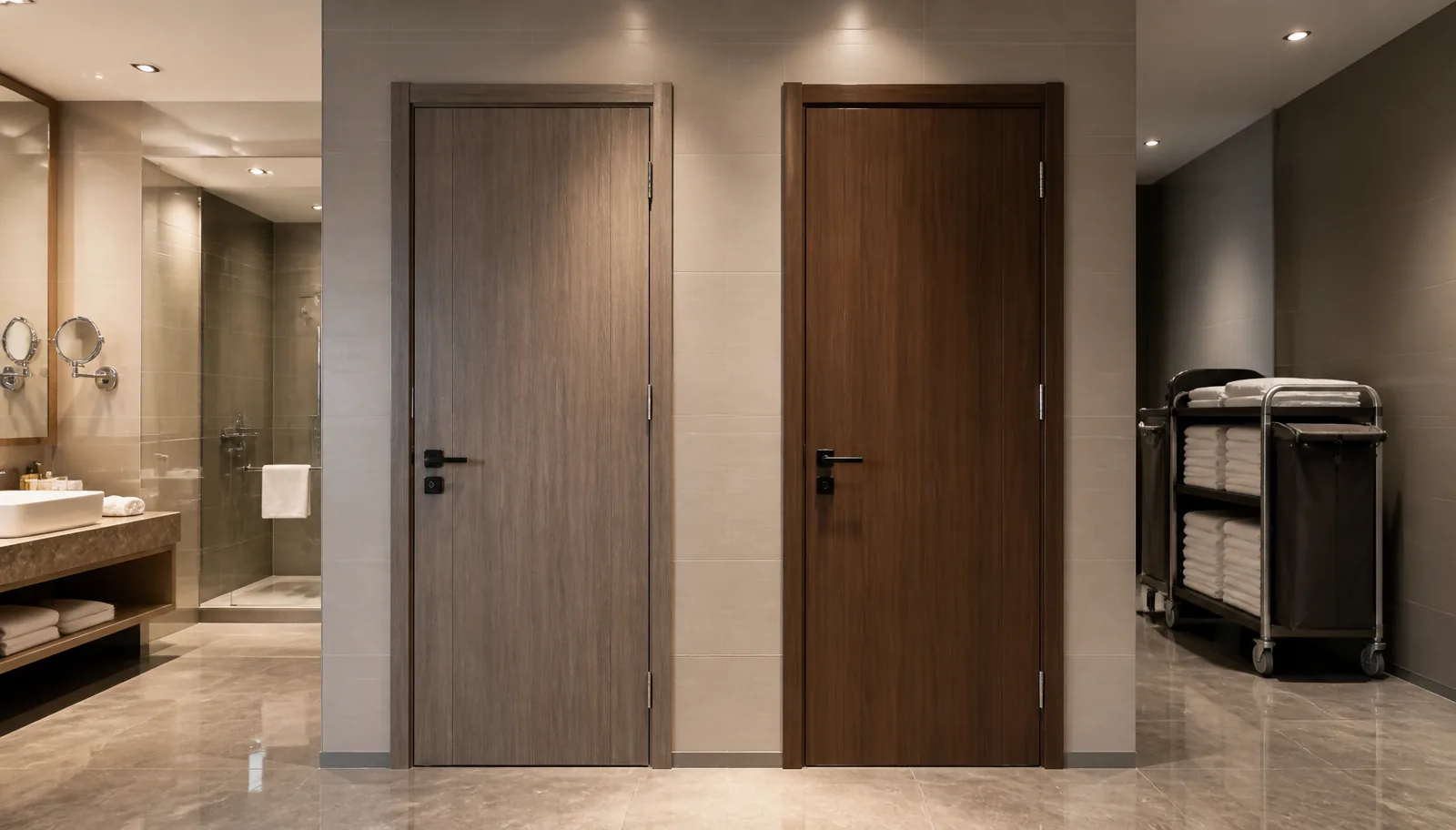
Direct Answer
Choose the door system by moisture exposure, not by surface appearance alone: WPC is usually the stronger starting point for repeated wet-area exposure, while PVC laminated wooden doors can suit dry or low-splash interiors when edge, frame and installation details are controlled.
The short answer for humid areas
WPC doors are usually the safer choice for bathrooms, utility rooms and humid corridors when moisture exposure is frequent. PVC laminated wooden doors can be a cost-effective option for dry interiors or low-splash areas where the edge sealing and frame details are well controlled.
Where WPC doors perform better
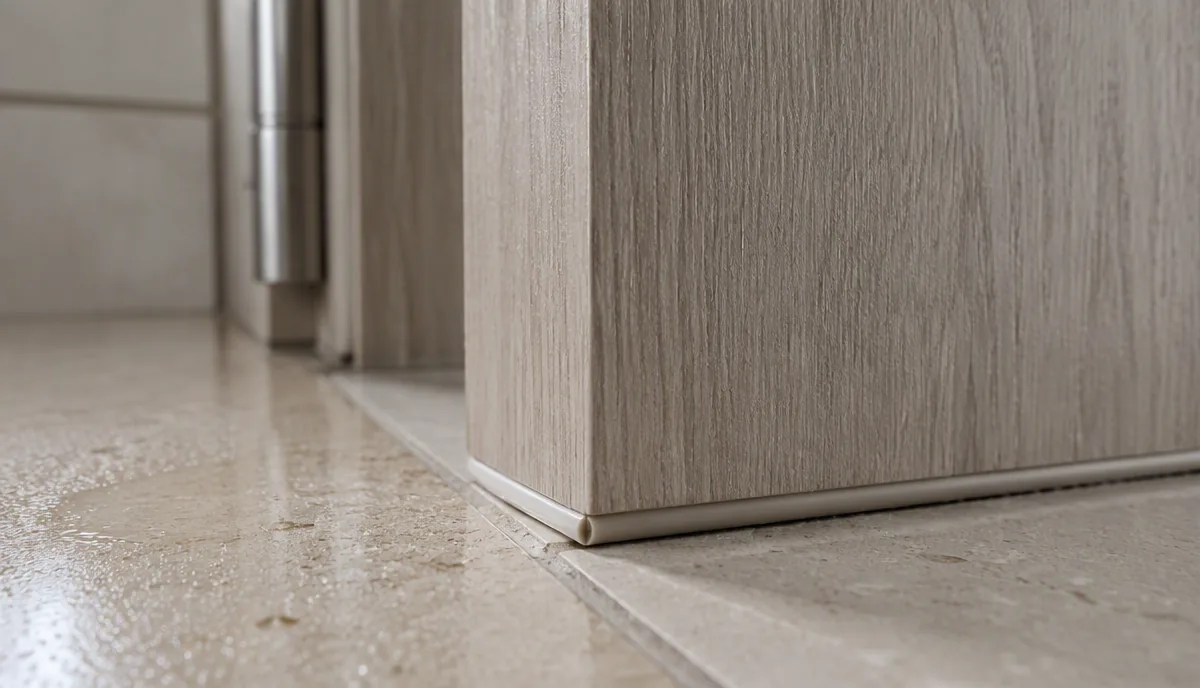
- Hotel bathrooms and apartment utility rooms.
- Coastal or tropical markets with long humid seasons.
- Projects where door bottoms and frames may face repeated cleaning water.
- Buyers who need a practical balance between moisture resistance and repeatable project supply.
Where PVC laminated wooden doors still make sense
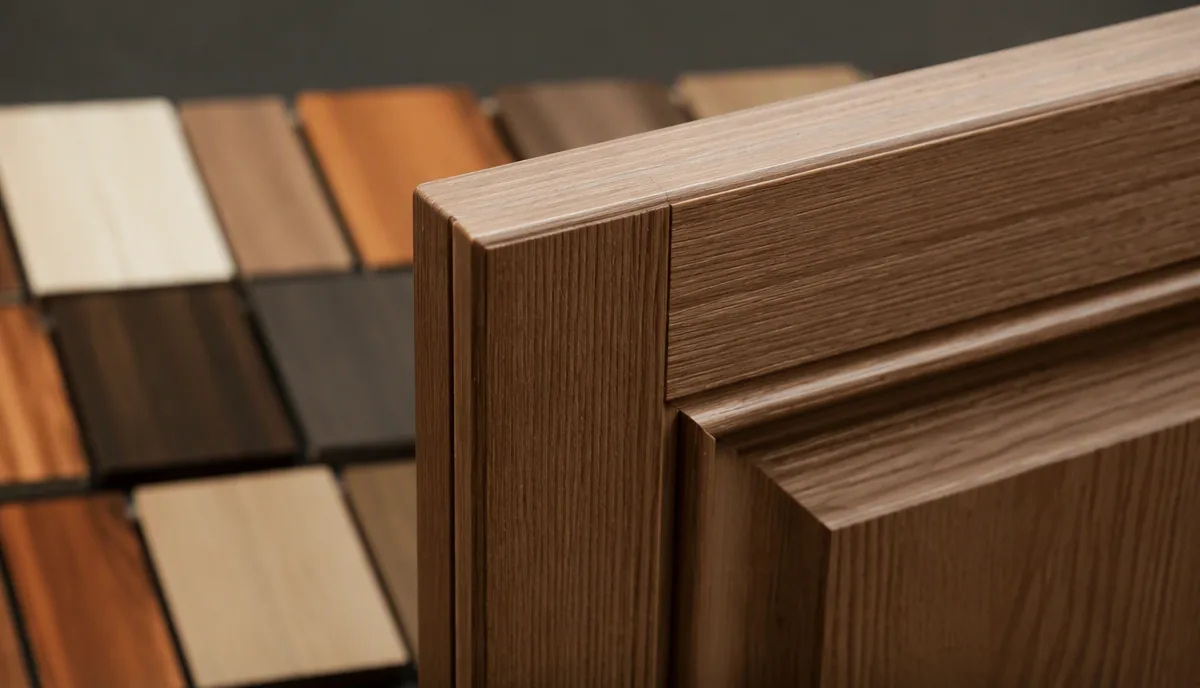
PVC laminated wooden doors can work well for bedrooms, living areas and interior apartment corridors. They offer stable color, flexible finish options and a competitive cost structure for large repeated orders. The key is to confirm edge banding, bottom sealing and frame compatibility.
Specify the whole wet-area door set, not only the leaf
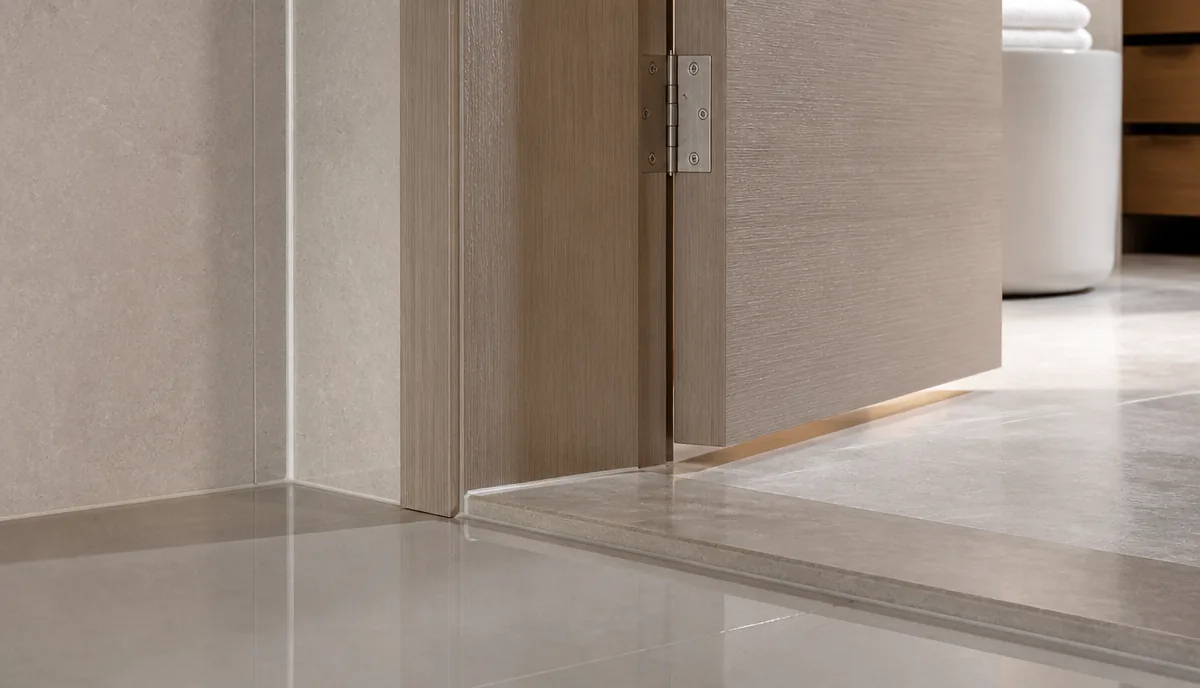
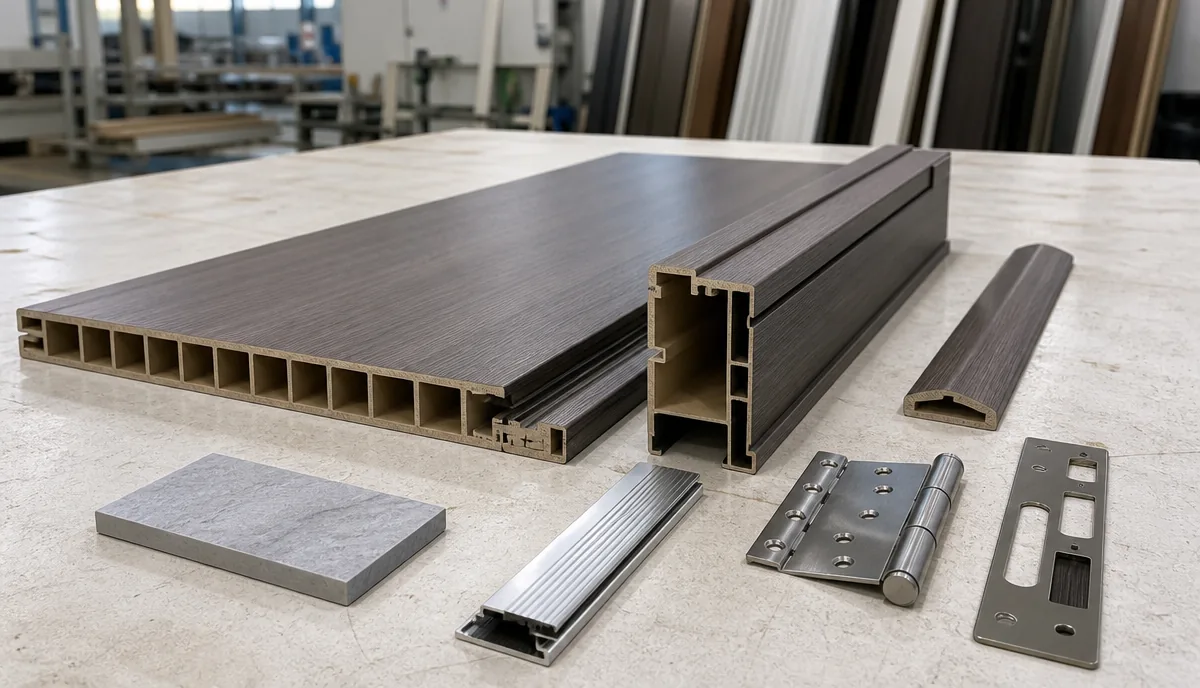
A material comparison is incomplete if it ignores the frame, bottom edge and installation boundary. Before quotation, define how much water reaches the opening and which component is responsible for each junction.
- Exposure: humidity only, frequent cleaning, splash exposure or direct water.
- Frame and wall: frame material, wall thickness, tile finish and frame-to-tile junction.
- Bottom detail: threshold, drainage direction and bottom clearance.
- Hardware environment: hinge, lock and closer preparation suited to the room conditions.
- Operation: cleaning method, expected replacement cycle and room-by-room packing requirement.
Buyer decision checklist
- Use WPC for direct humidity, bathroom entrances and frequent wet cleaning.
- Use PVC laminated wooden doors for dry-room value and finish consistency.
- Confirm frame material, threshold detail and bottom edge treatment.
- Ask whether the supplier can separate bathroom doors from bedroom doors in the packing schedule.
- Check sample edges, not just front surface color.
Related VISFURN pages
- Explore WPC Doors for humid rooms.
- Review the bathroom and utility-room material guide for room-by-room material selection.
- Compare interior options in Interior Doors.
- Review WPC frame, threshold and tiled-wall details before fixing the bathroom-door configuration.
- Send your humidity exposure, sizes and quantity through Get Quote.
Send your door schedule for review
Share the wet-area exposure, leaf and frame dimensions, wall thickness, threshold or bottom detail, quantity, finish, hardware preparation and destination port. VISFURN can help review the package before quotation.
Request a Project QuoteWet-area buyer questions
State whether the room faces humidity, regular wet cleaning, splash exposure or direct water. Include leaf and frame dimensions, wall thickness, threshold or bottom-clearance detail, hardware environment, finish and quantity.
Review the leaf, frame and architrave as one opening set. The right frame choice depends on wall thickness, tile finish, moisture exposure and the site installation detail.
Confirm the bottom edge, frame-to-tile junction, threshold or clearance, hinge and lock preparation, hardware environment and the packing label for each wet-area opening.