
B34 · Materials & Performance
Carbon Crystal Wooden Doors Explained: Surface, Core and Project Specification
A practical guide to carbon crystal wooden doors for buyers comparing surface finish, core construction, moisture exposure and repeated project use.
Quick answer
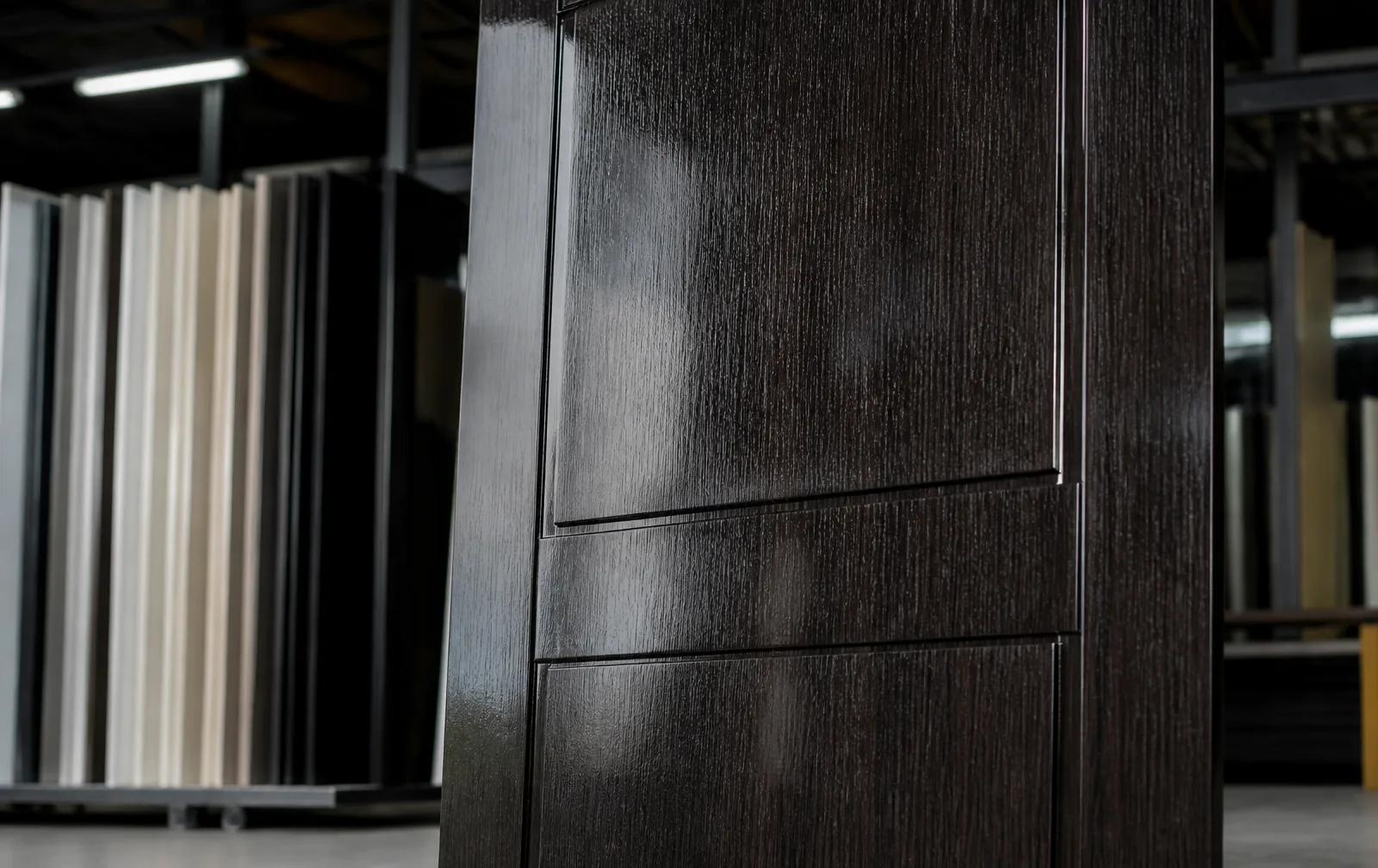
Carbon crystal wooden doors are engineered interior door sets with a decorative surface system over a specified leaf construction, so buyers should confirm the approved finish sample, core, edge detail, frame system, room exposure and hardware preparation before placing a project order.
What buyers mean by a carbon crystal wooden door
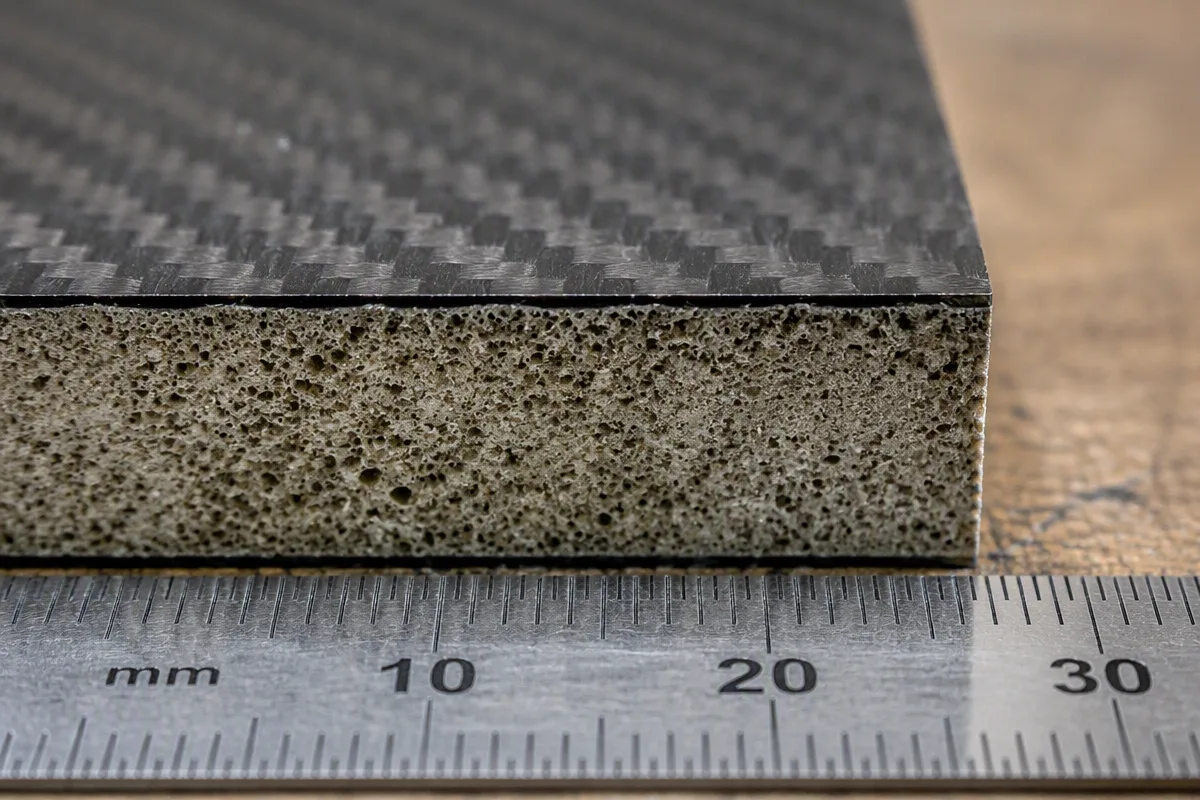
“Carbon crystal” is often used commercially to describe a decorative finished door surface rather than one universal construction standard. The material name alone does not tell a buyer the leaf core, face-layer thickness, edge treatment, frame construction or performance in a humid room. Ask for the complete approved door-set specification.
Specification points to confirm
| Item | What to confirm | Why it matters |
|---|---|---|
| Leaf construction | Thickness, core type and reinforcement points | Affects feel, hardware fixing and stability |
| Surface finish | Approved color, sheen, texture and edge treatment | Avoids visual variation across repeated doors |
| Frame system | Jamb depth, architrave and wall-thickness coordination | Prevents site trimming or reveal problems |
| Room exposure | Dry room, corridor, utility area or wet-adjacent use | Sets the right material and sealing expectation |
Finish sample and edge construction
Review a full-size or representative sample under the intended project lighting. Confirm the face finish at the flat panel, the leaf edge, frame and architrave together, because these surfaces can read differently after installation. Record the approved sample, finish code and allowable variation before repeat production.
Where this door system fits
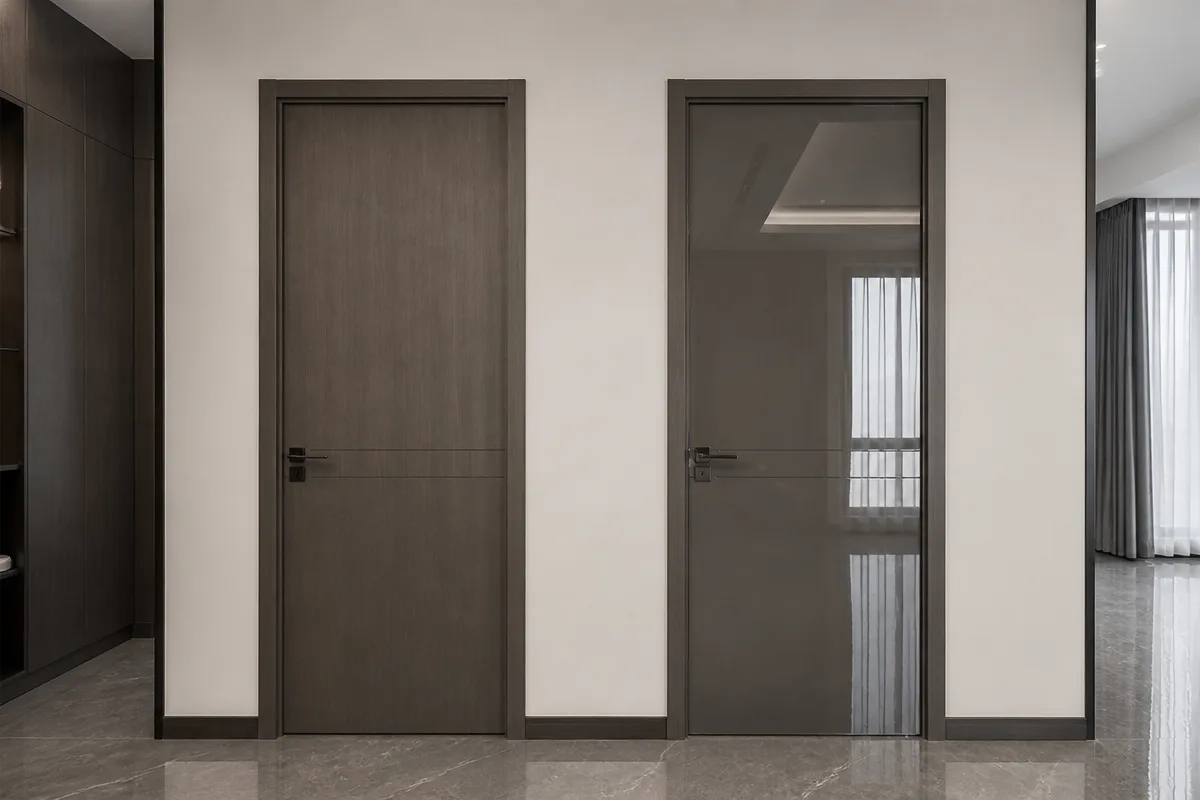
Carbon crystal finished wooden doors are generally considered for apartments, hotel guestrooms, corridors and similar interior openings where a consistent decorative finish is required. For bathrooms, laundry rooms or other persistent-humidity openings, assess the complete moisture exposure and select a suitable WPC or moisture-aware system where required.
RFQ checklist for a repeat order
- Opening schedule with sizes, quantities, handing and frame depth.
- Approved finish reference and sample sign-off requirement.
- Leaf and frame construction, wall thickness and architrave detail.
- Hardware preparation, including hinges, lockset and closer requirements.
- Room-use notes, packing sequence and destination port.
Related VISFURN buyer guides
- Use the custom color and finish specification guide to control sample approval.
- Compare material exposure in WPC, MDF, solid wood and melamine door systems.
Buyer questions
No. The term can describe a finished door surface, so the leaf core, face layer, edge treatment and frame should be confirmed separately in the approved specification.
Assess the actual moisture exposure, bottom detail, frame and ventilation first. For persistent wet-area exposure, a WPC or purpose-specified moisture-aware door system may be more appropriate.
Approve a finish sample and record the color reference, sheen, texture, edge treatment and approved production reference before the repeated order begins.
Confirm hinge type and quantity, lock or privacy function, bore and backset, handing, closer requirements and any reinforcement before machining.
Yes. The installed appearance depends on the leaf, frame, architrave and wall reveal as one coordinated door set.
Send your finish reference, opening schedule and typical wall detail for a project door-set review.
Request a Project Quote