
B2 · Compliance & Import
TSCA Title VI and CARB Phase 2 for Imported Doors: The Importer’s Compliance Checklist
A buyer-focused checklist for MDF, HDF and plywood doors entering North America, including TPC certification, labels and importer records.
Direct Answer
Doors containing MDF, HDF, particleboard or hardwood plywood may be regulated composite wood products. Importers should verify the applicable emission documentation, EPA-recognised TPC certification, label details and ACE filing requirements for the actual components in the door set.
Which doors are regulated under TSCA Title VI?
| Door component | Typical status | Buyer check |
|---|---|---|
| MDF door core | Regulated composite wood | TPC and emission documentation |
| HDF or particleboard panel | Regulated composite wood | Supplier records and label |
| Hardwood plywood component | Regulated composite wood | Panel construction and certification |
| Solid wood leaf | Usually exempt if no regulated core | Confirm adhesives and added panels |
| WPC door | Often outside composite-wood scope | Check whether the frame includes MDF or plywood |
What should the label on an imported door show?
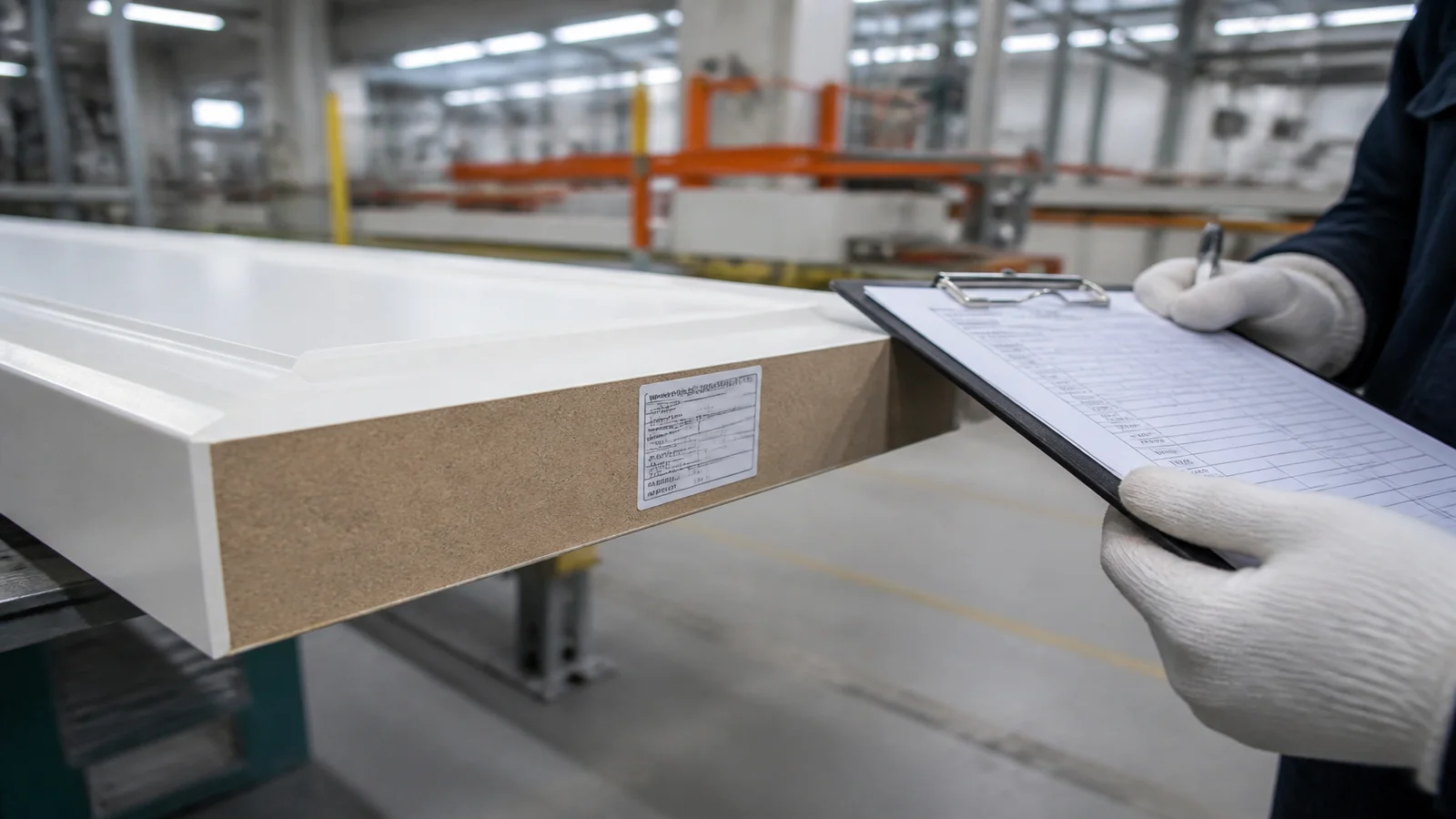
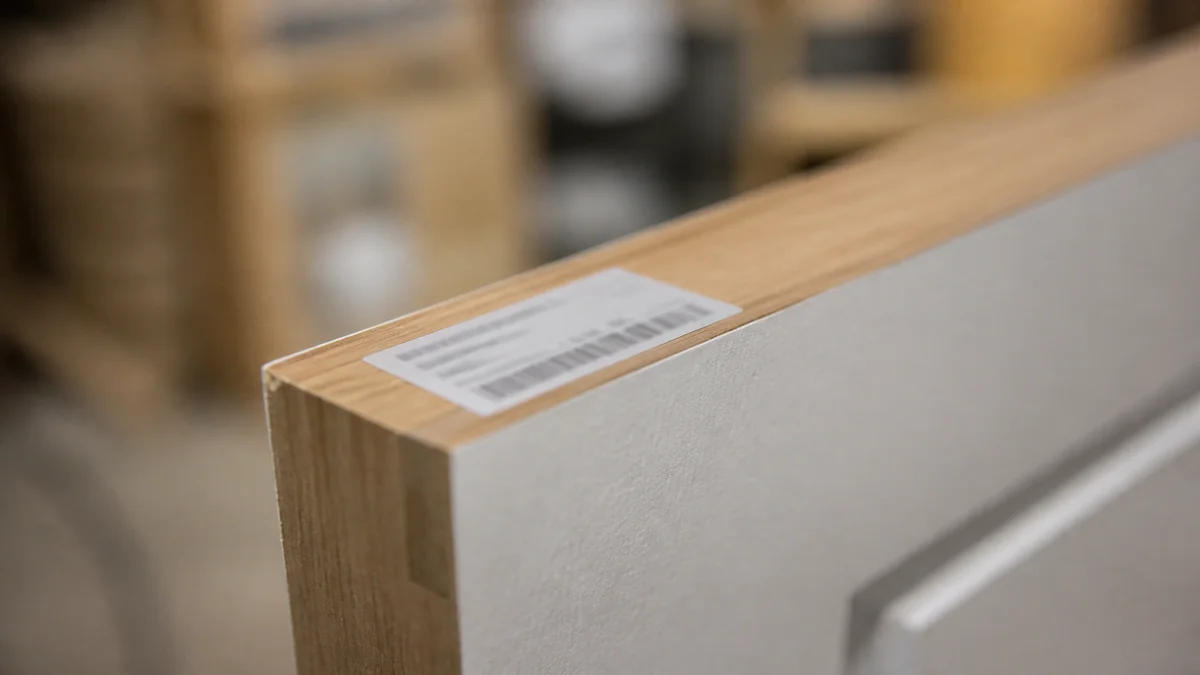
The label should identify the fabricator, production month and year, and the applicable TSCA Title VI statement. Use the actual approved label format; do not rely on a generic artwork file or a supplier screenshot.
What is the difference between TSCA Title VI and CARB Phase 2?
The standards are closely aligned for regulated composite wood products, but the accepted certification pathway and importer records still matter. A buyer should request the current EPA-recognised TPC information rather than assuming that a historic CARB document is sufficient for every US entry.
What records should an importer keep?
Keep supplier declarations, TPC information, production records, labels, test reports and purchase documents in a retrievable project file. If an authority requests records, the importer must be able to provide the relevant evidence within the required response period.
How do you verify a supplier certificate?
- Request the TPC name and certificate reference
- Cross-check the certifier against the recognised list
- Match the certified panel, thickness and resin system to the door BOM
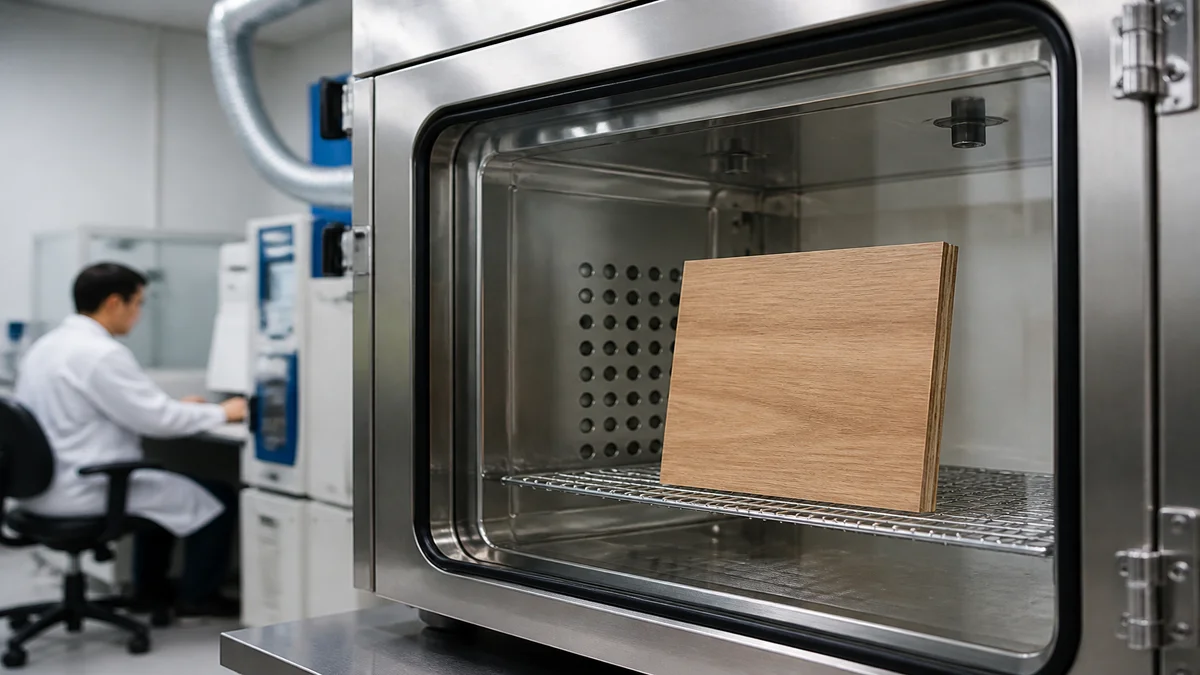
- Review recent test reports and factory inspection records
- Use independent sampling when the project or market risk justifies it
FAQ
Questions buyers usually ask
Are solid wood doors exempt from TSCA Title VI?
They may be exempt when they contain no regulated composite wood component. Confirm the actual bill of materials.
Does a WPC door need CARB certification?
Usually not when it contains no regulated composite wood, but the frame or trim may introduce MDF or plywood components.
Can a Chinese factory self-certify?
The importer should verify certification through an EPA-recognised third-party certifier rather than accepting an unverified self-issued claim.
Is an NAF resin door still labelled?
Follow the applicable label and record requirements for the certified product and resin system.
Who files the TSCA import certification?
The importer of record normally handles the import certification through the required customs process.
Buyer questions
Confirm the applicable opening schedule, size reference, leaf and frame construction, finish, handing, hardware preparation and destination requirements before using TSCA Title VI and CARB Phase 2 for Imported Doors: The Importer’s Compliance Checklist as a buying reference.
Include opening IDs, quantities, dimensions, wall thickness or frame depth, room exposure, finish reference, hardware schedule, performance notes, delivery destination and any sample-approval requirement.
Approve one complete representative opening—including the leaf, frame, finish, hardware preparation and packing reference—then release the final schedule only after every revision is recorded.